Applications of Soft Tissue Lasers in Dentistry
Modern dentistry has evolved significantly with the introduction of advanced technologies that improve precision, patient comfort, and treatment outcomes. One such innovation is the soft tissue laser, which has transformed the way many dental procedures are performed. Soft tissue lasers are widely used in dental practices today for treating gum-related problems, performing minor surgeries, and improving cosmetic dental procedures.
Soft tissue laser dentistry is known for its minimally invasive approach, reduced discomfort, faster healing, and improved treatment accuracy. As a result, both dentists and patients increasingly prefer laser-assisted dental procedures.
What Are Soft Tissue Lasers?
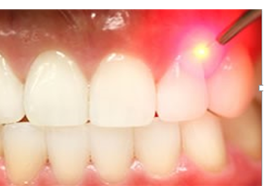
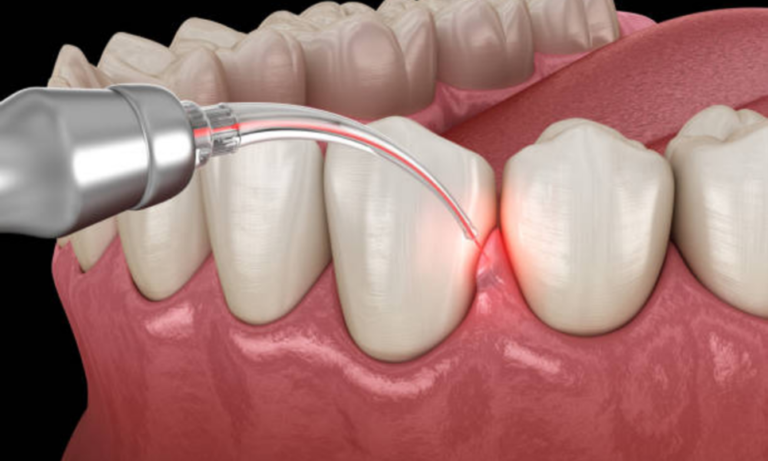
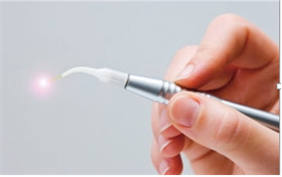
Soft tissue lasers are specialized dental devices that use a focused beam of light energy to cut, remove, or reshape soft tissues in the mouth. These tissues include the gums, oral mucosa, and other delicate structures surrounding the teeth.
The laser energy interacts with the water and pigments present in the soft tissue, allowing the dentist to precisely remove or reshape tissue while simultaneously sealing small blood vessels. This process helps reduce bleeding, swelling, and the need for sutures in many procedures.
Common types of soft tissue lasers used in dentistry include diode lasers, CO₂ lasers, and Nd:YAG lasers. Among these, diode lasers are most commonly used for everyday dental procedures due to their versatility and efficiency.
Advantages of Soft Tissue Lasers in Dentistry
Soft tissue lasers offer several advantages compared to traditional dental instruments like scalpels.
- Minimally Invasive Treatment
Laser procedures are less invasive because they use light energy instead of blades to perform surgical procedures. This results in minimal trauma to surrounding tissues.
- Reduced Bleeding
Laser energy seals small blood vessels during treatment, which significantly reduces bleeding during and after the procedure.
- Faster Healing
Since the laser sterilizes the treatment area and causes minimal tissue damage, healing tends to be faster compared to conventional surgery.
- Reduced Need for Sutures
Many laser procedures do not require stitches because the laser seals the tissue as it works.
- Less Pain and Discomfort
Laser treatments often cause less pain, and in some cases, minimal anesthesia is required.
- Lower Risk of Infection
The laser beam sterilizes the treatment area by killing bacteria, reducing the chances of infection.
Because of these benefits, soft tissue lasers have become an important tool in modern dental clinics.
Applications of Soft Tissue Lasers in Dentistry
Soft tissue lasers have a wide range of applications in dental treatments. They are used in both therapeutic and cosmetic procedures.
- Gum Disease Treatment
One of the most common uses of soft tissue lasers is in the treatment of gum diseases such as gingivitis and periodontitis. In these conditions, bacteria infect the gums and surrounding tissues.
Laser-assisted periodontal therapy helps remove infected tissue and bacteria from the gum pockets. The laser also helps disinfect the area and stimulate healthy tissue regeneration. This improves gum health and supports the stability of teeth.
- Gingivectomy and Gum Contouring
Soft tissue lasers are frequently used for reshaping the gum line in procedures known as gingivectomy or gum contouring.
Some patients have excessive gum tissue that covers a large portion of their teeth, creating a “gummy smile.” Laser gum contouring removes the extra tissue and reshapes the gums to create a more balanced and attractive smile.
This procedure is highly precise, causes minimal bleeding, and usually heals quickly.
- Crown Lengthening
Crown lengthening is a procedure in which gum tissue is reshaped to expose more of the tooth structure. This treatment may be required before placing crowns, veneers, or other dental restorations.
Soft tissue lasers allow dentists to perform crown lengthening with great precision while minimizing trauma to the surrounding tissues.
- Frenectomy
A frenectomy is the removal or modification of a small fold of tissue called the frenum, which connects the lips or tongue to the gums.
In some cases, an abnormal frenum can cause issues such as a gap between the front teeth or restricted tongue movement (tongue-tie). Laser frenectomy is quick, minimally invasive, and typically requires little to no suturing.
This procedure is commonly performed in children and adults and usually involves minimal discomfort.
- Treatment of Mouth Ulcers and Lesions
Soft tissue lasers can be used to treat painful mouth ulcers, aphthous ulcers, and other oral lesions. Laser therapy helps reduce pain, speed up healing, and disinfect the affected area.
Patients often experience immediate relief after laser treatment for ulcers.
- Removal of Benign Oral Growths
Certain benign growths in the mouth, such as fibromas or small tissue overgrowths, can be safely removed using soft tissue lasers. The laser allows precise removal while minimizing bleeding and damage to surrounding tissue.
- Treatment of Pericoronitis
Pericoronitis is an infection of the gum tissue surrounding partially erupted wisdom teeth. Soft tissue lasers can help remove infected tissue and reduce bacterial contamination around the affected area, improving healing and reducing discomfort.
- Exposure of Impacted Teeth
In orthodontic treatments, sometimes teeth remain partially covered by gum tissue. Soft tissue lasers can be used to expose these teeth, allowing orthodontic brackets to be placed easily.
This procedure is commonly used during braces treatment.
- Teeth Whitening Enhancement
Soft tissue lasers are sometimes used in conjunction with professional teeth whitening procedures. The laser helps activate the whitening agent, speeding up the bleaching process and enhancing the results.
- Hemostasis During Dental Procedures
Soft tissue lasers can help control bleeding during various dental treatments by sealing blood vessels. This improves visibility for the dentist and ensures a cleaner surgical field.
“Soft tissue lasers are widely used in gum treatment, cosmetic procedures, and advanced dental surgeries for better precision and faster healing.”
Patient Experience with Laser Dentistry
Patients undergoing soft tissue laser treatments usually experience greater comfort compared to traditional surgical procedures. The reduced bleeding, minimal swelling, and faster recovery time make laser dentistry a preferred option for many people.
Most laser procedures are completed quickly, and patients can return to their normal activities soon after treatment.
However, the success of laser treatments depends on proper diagnosis, careful planning, and the expertise of the dentist performing the procedure.
Future of Laser Dentistry
The use of lasers in dentistry continues to grow as technology advances. Modern dental clinics increasingly incorporate laser systems to improve treatment accuracy and patient comfort.
Research and innovation are expanding the potential applications of dental lasers, making them an essential part of modern dental care.
Conclusion
Soft tissue lasers have revolutionized dental treatment by offering a minimally invasive, precise, and patient-friendly approach to many oral procedures. From treating gum disease and reshaping gum tissue to performing frenectomies and removing oral lesions, the applications of soft tissue lasers in dentistry are extensive.
With benefits such as reduced bleeding, faster healing, improved comfort, and better treatment outcomes, laser dentistry represents a significant advancement in modern dental care. As technology continues to evolve, soft tissue lasers will likely play an even greater role in improving dental treatments and enhancing patient experiences.
 Experience Advanced, Painless Laser Dentistry
Discover how soft tissue laser treatments offer precise, comfortable, and faster healing dental procedures.

 Book Appointment
  +91-9899932210, +91-9810167164