Impact of Smoking on Gums and Teeth
Smoking is widely recognized as a major risk factor for many serious health conditions, including heart disease, lung cancer, and respiratory disorders. However, many people are unaware that smoking can also have severe effects on oral health. The chemicals present in tobacco products damage the teeth, gums, and other tissues in the mouth, leading to a variety of dental problems.
Whether a person smokes cigarettes, cigars, or uses other forms of tobacco, the harmful substances released during smoking can significantly affect oral hygiene, gum health, and overall dental wellbeing. Understanding the impact of smoking on oral health can encourage individuals to adopt healthier habits and protect their smiles.
How Smoking Affects the Mouth
Tobacco smoke contains thousands of harmful chemicals, including nicotine, tar, carbon monoxide, and toxic substances that damage oral tissues. These chemicals reduce blood flow to the gums, weaken the immune system, and create an environment where harmful bacteria can thrive.
Over time, smoking affects the natural healing process in the mouth and increases the risk of infections, gum disease, tooth loss, and oral cancer.
Teeth Staining and Discoloration
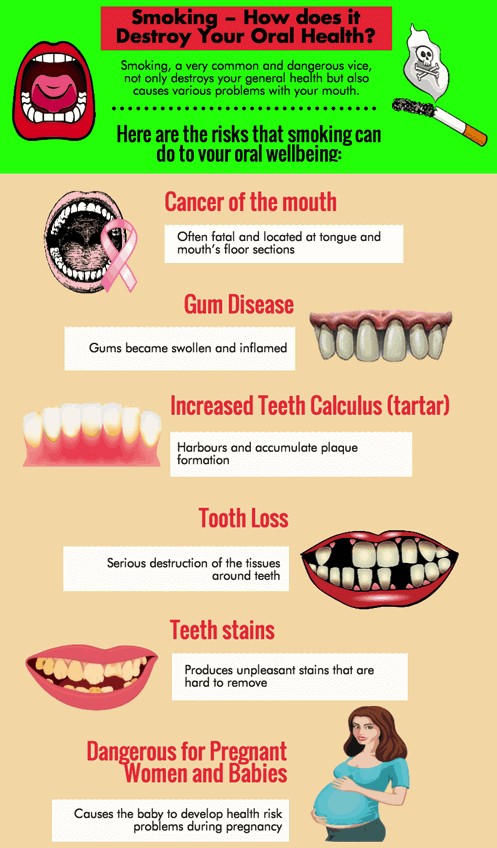
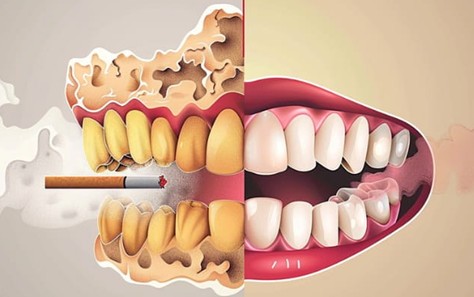
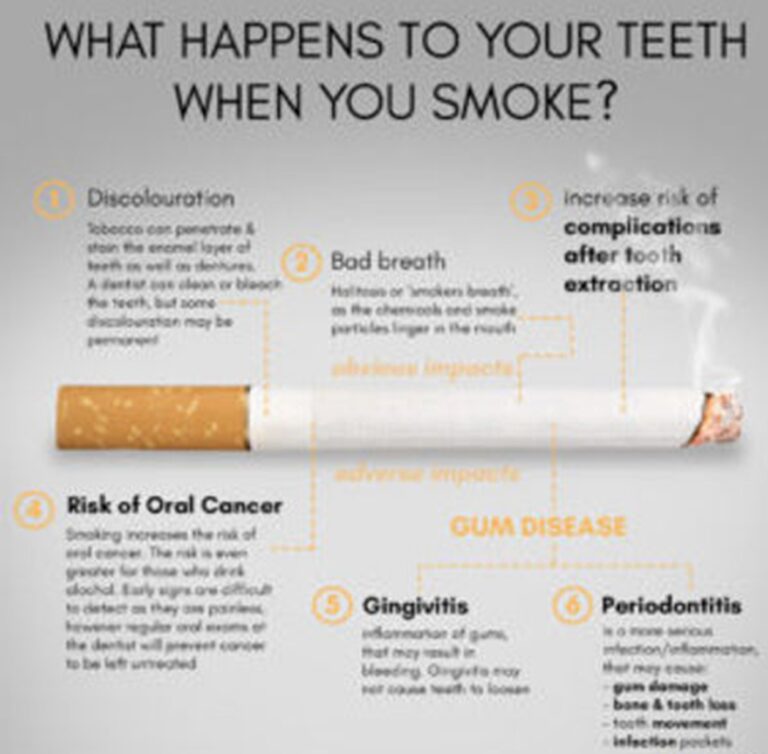
One of the most visible effects of smoking is the staining and discoloration of teeth. The tar and nicotine present in tobacco easily attach to tooth enamel, causing yellow or brown stains.
These stains often become more difficult to remove with regular brushing. Smokers frequently require professional dental cleaning or teeth whitening treatments to restore the natural appearance of their teeth.
Persistent tooth discoloration can also affect self-confidence and make individuals hesitant to smile.
Bad Breath (Halitosis)
Smoking is a common cause of chronic bad breath, also known as halitosis. Tobacco smoke leaves a strong odor in the mouth and dries out the oral tissues, reducing saliva production.
Saliva plays an important role in washing away food particles and bacteria. When saliva levels decrease, bacteria can accumulate more easily, leading to unpleasant breath.
Even with good oral hygiene, smokers may continue to experience persistent bad breath due to the chemicals present in tobacco.
Gum Disease and Periodontal Problems
Smoking is one of the leading causes of gum disease, also known as periodontal disease. This condition occurs when bacteria infect the gums and surrounding tissues that support the teeth.
The harmful effects of smoking on gum health include:
- Reduced blood flow to the gums
- Increased buildup of plaque and tartar
- Delayed healing of gum tissues
- Suppressed immune response
Because smoking weakens the body’s ability to fight infections, smokers are more likely to develop severe gum disease compared to non-smokers.
Symptoms of gum disease may include red or swollen gums, bleeding during brushing, gum recession, and persistent bad breath. If left untreated, periodontal disease can eventually lead to tooth loss.
Delayed Healing After Dental Procedures
Another significant impact of smoking on oral health is delayed healing after dental treatments. Procedures such as tooth extractions, dental implants, gum surgery, or root canal treatments require proper blood circulation and tissue regeneration for successful recovery.
Smoking restricts blood flow and reduces oxygen supply to the oral tissues, slowing down the healing process. As a result, smokers are at a higher risk of complications such as infections, dry socket after tooth extraction, and implant failure.
Dentists often advise patients to avoid smoking before and after dental procedures to improve healing outcomes.
Increased Risk of Oral Cancer
One of the most serious consequences of smoking is the increased risk of oral cancer. Tobacco use is a major contributing factor to cancers affecting the lips, tongue, cheeks, gums, floor of the mouth, and throat.
The carcinogenic chemicals in tobacco damage the cells in the mouth and can lead to abnormal growth of tissues over time.
Common warning signs of oral cancer include:
- Persistent mouth sores that do not heal
- White or red patches inside the mouth
- Difficulty chewing or swallowing
- Lumps or thickened areas in the oral tissues
- Unexplained pain or numbness in the mouth
Early detection is crucial for successful treatment. Regular dental check-ups allow dentists to identify suspicious lesions or changes in the oral tissues.
Tooth Loss
Smoking significantly increases the risk of tooth loss. This is primarily due to the development of advanced gum disease, which destroys the bone and tissues supporting the teeth.
As the supporting structures weaken, teeth may become loose and eventually fall out or require extraction. Studies have shown that smokers are more likely to lose teeth compared to individuals who do not use tobacco.
Tooth loss can affect chewing ability, speech, and overall oral function.
Reduced Success of Dental Implants
Dental implants are a popular and effective solution for replacing missing teeth. However, smoking can negatively affect the success rate of implant treatment.
Implants require proper bone integration, a process known as osseointegration, where the implant fuses with the jawbone. Smoking interferes with this process by reducing blood supply and slowing tissue healing.
Smokers have a higher risk of implant failure compared to non-smokers. For this reason, dentists strongly recommend quitting smoking before undergoing implant treatment.
Effects on the Immune System
Smoking weakens the body’s immune system, making it more difficult to fight infections in the mouth. This means that oral infections may progress more quickly and become more severe in smokers.
Additionally, smoking can mask some of the typical signs of gum disease, such as bleeding gums. As a result, many smokers may not realize they have a serious dental problem until it becomes advanced.
Regular dental visits are essential for early detection and prevention.
Benefits of Quitting Smoking for Oral Health
The good news is that quitting smoking can significantly improve oral health over time. Once a person stops using tobacco, the body gradually begins to heal and restore normal functions.
Some benefits of quitting smoking include:
- Improved gum health and reduced risk of periodontal disease
- Better breath and fresher mouth
- Reduced staining and improved tooth appearance
- Lower risk of oral cancer
- Faster healing after dental treatments
Dentists often encourage patients to quit smoking not only for oral health but also for overall wellbeing.
“Smoking can lead to gum disease, tooth discoloration, and even increase the risk of oral cancer, making regular dental cleaning and gum treatment essential.”
Maintaining Oral Health for Smokers
While quitting smoking is the most effective way to protect oral health, smokers can take additional steps to minimize damage:
- Brush teeth at least twice daily with fluoride toothpaste
- Floss regularly to remove plaque between teeth
- Use antimicrobial mouthwash to reduce bacteria
- Visit the dentist regularly for professional cleaning and examinations
- Drink plenty of water to maintain saliva production
- Limit tobacco use and consider smoking cessation programs
These measures can help reduce the risk of serious dental problems.
Conclusion
Smoking has a profound and harmful impact on oral health. From stained teeth and bad breath to gum disease, tooth loss, and oral cancer, the effects of tobacco use on the mouth can be severe and long-lasting.
The chemicals present in tobacco damage oral tissues, weaken the immune system, and interfere with the natural healing process. As a result, smokers face a significantly higher risk of developing various dental problems.
Understanding the dangers of smoking on oral health is an important step toward prevention. Quitting smoking, maintaining good oral hygiene, and visiting the dentist regularly can greatly improve oral health and help preserve a healthy, confident smile for years to come.
 Protect Your Smile Before It’s Too Late
Smoking can seriously damage your teeth and gums. Get expert guidance to restore and protect your oral health.

 Book Appointment
  +91-9899932210, +91-9810167164