Clear Aligners vs Braces: Choose the right Orthodontic solution
A straight and well-aligned smile not only improves appearance but also contributes to better oral health. Orthodontic treatments are designed to correct crooked teeth, bite problems, and spacing issues. Two of the most common options available today are clear aligners and metal braces. While both methods effectively straighten teeth, they differ in appearance, comfort, treatment process, and suitability for different cases.
Understanding the differences between clear aligners and metal braces can help patients make an informed decision about the most suitable orthodontic treatment for their needs.
What Are Metal Braces?
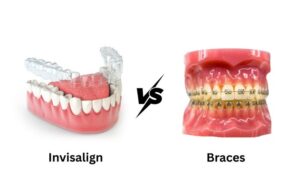
Metal braces are the traditional orthodontic treatment that has been used for decades to correct misaligned teeth. They consist of small stainless-steel brackets that are bonded to the front surface of the teeth. These brackets are connected by a thin metal wire known as an archwire.
The orthodontist periodically adjusts the wire to apply controlled pressure on the teeth, gradually moving them into the correct position. Elastic bands or ligatures are often used to hold the wire in place and may also assist in correcting bite alignment.
Although metal braces are highly effective, their visible appearance often makes some patients hesitant to choose them.
What Are Clear Aligners?
Clear aligners are a modern orthodontic treatment designed to straighten teeth using a series of custom-made, transparent plastic trays. These aligners are removable and fit snugly over the teeth.
Each set of aligners is slightly different and gradually shifts the teeth into the desired position. Patients typically wear each set for about one to two weeks before switching to the next set in the series.
Because clear aligners are nearly invisible, they have become very popular among adults and teenagers who want a discreet orthodontic solution.
Appearance and Aesthetics
One of the biggest differences between clear aligners and metal braces is their appearance.
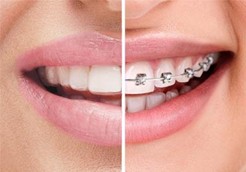
Metal braces are clearly visible when a person smiles or talks. Although modern braces are smaller and more comfortable than older versions, they are still noticeable. Some patients, especially teenagers, may enjoy choosing colorful elastic bands to personalize their braces.
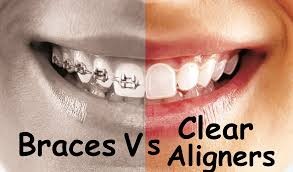
Clear aligners, on the other hand, are transparent and much less noticeable. Most people will not realize someone is wearing aligners unless they look closely. This makes them an attractive option for professionals, adults, and individuals who prefer a more discreet treatment.
Comfort and Convenience
Comfort is an important factor when choosing orthodontic treatment.
Metal braces may cause some discomfort initially and after adjustments. The brackets and wires can sometimes irritate the inside of the cheeks and lips. Orthodontic wax is often used to reduce this irritation.
Clear aligners are generally considered more comfortable because they are made of smooth plastic and do not have sharp edges. They fit snugly over the teeth and are custom-designed for each patient.
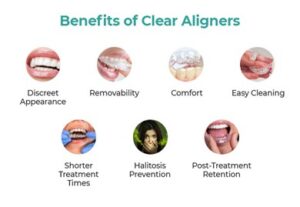
Another advantage of aligners is that they are removable. Patients can take them out while eating, brushing, or attending special events. Metal braces, however, remain fixed on the teeth throughout the treatment period.
Eating and Dietary Restrictions
Patients with metal braces often need to avoid certain foods that can damage the brackets or wires. Hard, sticky, or chewy foods such as popcorn, nuts, chewing gum, and caramel can break or dislodge the braces.
With clear aligners, patients remove the trays before eating. This means there are usually no food restrictions. Patients can enjoy their normal diet as long as they brush their teeth before placing the aligners back in the mouth.
This flexibility makes clear aligners more convenient for many people.
Oral Hygiene
Maintaining proper oral hygiene is essential during orthodontic treatment.
Metal braces can make brushing and flossing more challenging because food particles can get trapped around the brackets and wires. Special orthodontic brushes and flossing tools may be required to clean the teeth effectively.
Clear aligners make oral hygiene easier because they can be removed before brushing and flossing. Patients can maintain their regular dental hygiene routine without significant changes.
However, aligners must also be cleaned regularly to prevent bacteria buildup and maintain their transparency.
Treatment Effectiveness
Both clear aligners and metal braces are effective in correcting dental alignment problems, but they may be suitable for different types of cases.
Metal braces are extremely versatile and can treat complex orthodontic issues such as severe crowding, significant bite problems, and major tooth rotations. Orthodontists often recommend braces for patients with complicated alignment issues.
Clear aligners are ideal for mild to moderate orthodontic problems, including:
- Mild to moderate crowding
- Gaps between teeth
- Minor bite problems
- Slightly crooked teeth
Advancements in aligner technology have improved their ability to treat more complex cases, but some severe conditions may still require traditional braces.
Treatment Duration
The length of orthodontic treatment depends on the complexity of the case and the patient’s cooperation.
Metal braces usually require treatment for about 18 to 24 months, although some cases may take longer.
Clear aligner treatment typically takes between 12 and 18 months for mild to moderate cases. However, the success of aligner therapy depends heavily on patient compliance. Aligners must be worn for 20 to 22 hours per day to achieve optimal results.
If patients frequently remove the aligners or forget to wear them, treatment may take longer.
Dental Visits and Adjustments
Patients with metal braces need regular visits to the orthodontist for wire adjustments and monitoring of progress. These appointments usually occur every four to six weeks.
Clear aligner treatment requires fewer adjustment visits. Patients receive multiple sets of aligners in advance and switch them according to the treatment schedule. Periodic dental visits are still necessary to monitor progress and ensure proper tooth movement.
Cost Considerations
The cost of orthodontic treatment varies depending on the complexity of the case, the duration of treatment, and the materials used.
Metal braces are generally more affordable than clear aligners. Because they have been used for many years, the technology is well-established and widely available.
Clear aligners may be slightly more expensive due to the digital treatment planning, custom fabrication, and advanced technology involved in their production.
However, many patients are willing to invest in aligners because of their comfort and aesthetic benefits.
Which Option Is Better?
The choice between clear aligners and metal braces depends on several factors, including the severity of the dental problem, lifestyle preferences, treatment goals, and budget.
Metal braces may be the better option for:
- Severe crowding or complex bite problems
- Younger patients who may forget to wear aligners
- Individuals looking for a more cost-effective solution
Clear aligners may be ideal for:
- Adults and professionals who prefer a discreet treatment
- Patients with mild to moderate alignment issues
- Individuals who want removable orthodontic appliances
A consultation with a qualified dentist or orthodontist is essential to determine the most appropriate treatment option.
Conclusion
Both clear aligners and metal braces are effective orthodontic treatments that can help achieve a healthy, well-aligned smile. While metal braces remain the most reliable option for complex dental issues, clear aligners offer a modern, comfortable, and nearly invisible alternative for many patients.
Choosing the right orthodontic treatment depends on individual dental needs, lifestyle preferences, and professional guidance from a dental expert. With the right treatment plan and proper care, both options can lead to excellent results and a confident, beautiful smile.
 Straighten Your Teeth with the Right Choice
Consult our expert to choose between aligners and braces.

 Book Appointment
  +91-9899932210,+91-9810167164
 Related Treatments